
Durable Plastic Carry Handles for Easy Packaging Transport
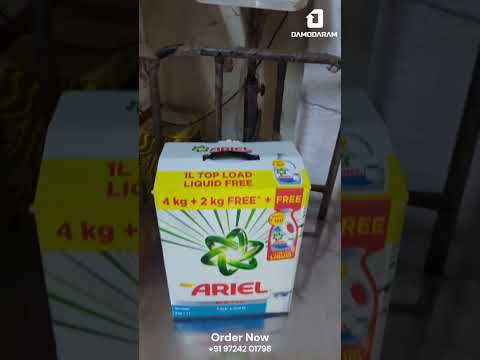
Plastic carry handles for packaging are ergonomic attachments that transform awkward boxes or heavy bundles into easily portable loads. They function by being inserted into pre-cut slots on corrugated cartons, distributing the weight evenly across the handle’s rigid structure for a secure grip. This simple addition eliminates the need for awkwardly clutching box edges, making transportation safer and reducing strain on the hands and fingers. Users simply push the handle’s tabs into the designated die-cut holes until they snap into place for immediate use.
Why Handles Matter in Modern Packaging Design
In modern packaging design, the plastic carry handle is critical for functional ergonomics and user convenience. It transforms a bulky or heavy container—like a gallon of oil, a detergent jug, or a large bottle—from an awkward, two-handed grip into a single, balanced carry point. This directly reduces the risk of dropping the product, improving safety for the consumer. A well-integrated handle also allows the package to be easily poured from or transported without needing additional bags.
The absence of a practical handle can negate even the most aesthetically pleasing packaging, as it fails the core test of convenient portability.
Ultimately, the handle bridges the gap between product storage and human use, making the package a seamless tool rather than just a container.
Consumer Convenience and Ergonomics for Heavy Loads
For heavy loads exceeding five kilograms, a rigid plastic carry handle fundamentally shifts the user’s center of gravity, reducing the torque exerted on the wrist and forearm. Ergonomic load distribution is achieved through a contoured grip that prevents the packaging edges from digging into the palm. This design allows the user to carry the weight with a neutral wrist posture, minimizing muscle strain during transport. The handle’s pivot point must align precisely with the package’s center of mass to prevent uneven tilting that forces compensatory gripping. A secondary benefit is that the handle creates a stable air gap between the consumer’s hand and the bulk container, preventing contact with potentially cold or abrasive surfaces.
Consumer convenience for heavy loads relies on a rigid handle that distributes weight evenly, permits a relaxed grip, and maintains package balance, directly reducing physical fatigue during transport.
Brand Differentiation Through Functional Hardware
Custom-molded plastic carry handles transform bulk packaging into a brand billboard. A handle’s ergonomic contour, texture, or locking mechanism becomes a tactile signature that competitors cannot replicate. For example, a ribbed grip signals durability for industrial goods, while a glossy, integrated latch suggests premium quality for retail. This functional hardware imprints brand reliability directly into the user’s muscle memory with each lift.
- Ergonomic shaping communicates brand care and reduces user fatigue.
- Proprietary locking clips distinguish your container from generic alternatives.
- Color-matched rigid handles reinforce visual identity without labels.
- Weight-distribution channels signal engineering investment and value.
Key Types of Carry Solutions for Containers
Key types of carry solutions for containers hinge on the handle’s integration with the package. Fixed-molded handles are incorporated directly into the container body during blow or injection molding, offering permanent, load-rated carry points for bulk liquids or heavy contents. Snap-on or clip-on handles are independent plastic components attached after filling, ideal for retrofitting standard pails or jerry cans. For lightweight, multi-pack applications, a plastic carry handle for packaging often takes the form of a strap or bucket handle with a central grip, attached via friction-fit tabs or rivets. Material choice is critical: polypropylene provides flexibility and fatigue resistance, while high-density polyethylene offers rigidity for heavier loads.
Always match handle style to container shape and center of gravity—a top-loaded handle on a tall container induces torque, risking failure at the attachment point.
Die-Cut Handles in Cardboard Boxes
Die-cut handles in cardboard boxes offer a built-in, low-cost alternative to attached plastic handles, directly integrated into the corrugated material. These cutout grips suit lightweight to medium loads, as the box’s own structure bears the weight without reinforcement. A poorly designed die-cut handle can weaken the box’s vertical stacking strength, potentially leading to tearing under heavy contents.
Q: Can a die-cut cardboard handle safely replace a plastic carry handle?
A: Only for lighter items under moderate weight limits—beyond that, plastic or reinforced handles are required for secure lugging.
Rigid Handle Attachments for Buckets and Pails
Rigid handle attachments for buckets and pails offer a sturdy, fixed grip that stays upright when not in use, making them ideal for heavy pours or frequent transport. Unlike wire bales, these plastic or metal loops run from the top rim across the center, distributing weight evenly. They work best on containers with reinforced lugs that prevent snap-off under load. You’ll find them on larger five-gallon pails where a wobbly handle would be a hazard.
- Molded pivot points reduce friction and wear over time
- Ergonomic shapes allow a full four-finger grip for control
- Available in contrasting colors for quick label recognition
Flexible Tapes and Straps for Bulk Packaging
Flexible tapes and straps for bulk packaging serve as an alternative to rigid plastic carry handles, primarily for securing large, heavy, or irregularly shaped container loads. These high-tensile polypropylene or polyester straps loop around the package and are tightened via buckles or tensioning tools, forming a stable, pressure-distributed lift point. Unlike fixed handles, flexible straps conform to the container’s contours, reducing stress concentration and preventing tearing during transport. They are frequently integrated with reinforced corner protectors to prevent strap slippage or edge damage. Users must select appropriate strap width and break strength relative to the load’s weight, and ensure the tensioning method aligns with the packaging material’s durability.
Material Choices and Their Performance Impact
The material choice for a plastic carry handle directly dictates its load-bearing strength, flexibility, and durability during transport. High-density polyethylene (HDPE) offers excellent rigidity and tensile strength, making it suitable for heavy items like bulk water bottles or paint containers, though it can be prone to stress cracking under repeated impacts. Polypropylene (PP) provides superior fatigue resistance and a higher flexural modulus, allowing handles to spring back without permanent deformation, ideal for reusable or flex-to-close designs. A key trade-off involves impact resistance: polyethylene remains tough at low temperatures, preventing shattering in cold shipping conditions, while polypropylene can become brittle below freezing. Additives like UV stabilizers or glass fibers further modify performance for outdoor or extreme loads.
Thinner, cost-optimized handles often sacrifice impact resistance, leading to premature failure at the hinge or attachment point.

High-Density Polyethylene vs. Polypropylene
For plastic carry handles, HDPE vs PP material choice dictates flexural stiffness and impact resistance. High-Density Polyethylene (HDPE) offers greater flexibility and superior low-temperature toughness, making handles less prone to shattering under heavy loads or cold conditions. Polypropylene (PP) is stiffer and harder, providing better dimensional stability and higher creep resistance under continuous weight. HDPE handles generally feel softer in the hand, while PP handles offer a firmer, more rigid grip. Selecting the correct polymer ensures the handle can withstand repeated lifting without cracking or deforming.
- HDPE provides higher impact strength at lower temperatures, reducing handle breakage.
- PP offers greater rigidity and resistance to permanent deformation under constant load.
- HDPE is softer and more comfortable for prolonged carrying, while PP is more prone to stress whitening.
- PP handles are more susceptible to notch sensitivity, requiring rounded design corners.
Recycled Content and Eco-Friendly Innovations
Incorporating post-consumer recycled (PCR) resin into plastic carry handles directly reduces virgin material demand while maintaining adequate tensile strength for typical loads. Eco-friendly innovations include bio-based polyethylene from sugarcane, which offers identical durability to fossil-fuel counterparts without compromising handle grip or snap-fit performance. Lightweighting through optimized ribbed designs further minimizes material usage per handle, supporting circular economy goals without sacrificing structural integrity during repeated use.
Recycled content and bio-based polymers enable eco-friendly handles that match conventional strength, while lightweight designs cut material volume without performance loss.
Durability Under Temperature and Weight Stress
For a plastic carry handle, durability under temperature and weight stress is the real test. In hot weather, a cheaper polypropylene handle softens and stretches, which can cause the bundle to sag or snap. Cold makes brittle plastics crack under the same load. A high-density polyethylene or nylon blend holds firm, whether you’re hauling a heavy gallon jug in summer heat or a frozen pack from the car. Always match the handle’s material to the expected temperature range and weight, otherwise you risk a sudden failure mid-lift.
Q: Will a plastic carry handle break if I lift a heavy hot-water jug? A: It depends on the plastic. Standard polypropylene loses strength above 120°F, so for hot loads, you need a blend rated for higher heat stress to avoid sagging or snapping.
Design Considerations for Ease of Use
A plastic carry handle must prioritize a contoured grip that fits the natural curve of the fingers, distributing weight to avoid pressure points during transport. The aperture should be large enough for gloved or arthritic hands, yet narrow enough to prevent the item from slipping. A subtle texture on the underside, rather than a smooth finish, dramatically improves control for damp or hurried hands. Additionally, the handle’s attachment points must be rigidly integrated with the packaging to prevent wobbling, which instantly undermines user confidence. The ideal design balances a robust thickness for heavy loads with a tapered profile that allows a secure, pinch-free hold, ensuring the handle feels intuitive from the first touch.
Optimal Handle Width and Grip Comfort
For a plastic carry handle, optimal width typically ranges from 25mm to 40mm to distribute pressure evenly across the palm. Grip comfort is maximized by avoiding sharp edges; a slightly rounded or textured profile prevents the handle from cutting into fingers under load. A handle that is too wide can cause instability for smaller hands, while a narrow grip concentrates force on a smaller surface area. To ensure proper ergonomics, follow this sequence:
- Assess the average user’s hand size for the target market.
- Select a width within the 25–40mm range based on package weight.
- Integrate a radius of at least 2mm on all edges to reduce pressure points.
This approach balances load distribution with a secure, non-slip hold.
Reinforced Attachment Points to Prevent Tear-Out
Reinforced attachment points, such as molded gussets or thicker plastic rings at handle-barrel junctions, distribute stress away from the cutout edges. Load-bearing ribs integrated into the handle’s base redirect tensile forces during lifting, reducing localized strain. Oval or teardrop-shaped attachment holes further minimize stress risers compared to sharp corners. These design choices ensure the handle remains fixed to the package wall without tearing the plastic film or carton board, even under heavy loads.
Reinforced attachment points prevent tear-out by adding structural material at stress-critical junctions, preserving handle integrity during repeated use.
Stackability and Storage Efficiency
Efficient stackability hinges on the handle’s profile; a low-profile or recessed design prevents the handle from creating a tilt or gap when containers are stacked, maximizing vertical storage density. The handle’s hinge or attachment point must be flush with the package surface to avoid interlocking with the container below, which disrupts stable tiers. Additionally, a rigid handle that folds completely flat against the package body ensures uniform weight distribution, allowing for secure pallet stacking without crushing lower layers. This maximized vertical storage density directly reduces required floor space in warehouses and retail displays, optimizing supply chain logistics through improved cube utilization.
Industry-Specific Applications and Requirements
In a bustling beverage warehouse, a worker grips a six-pack by its integrated plastic carry handle, its reinforced webbing designed to distribute the weight of twelve glass bottles without snapping. For industrial lubricants, the handle must resist chemical degradation, often molded from high-density polyethylene to survive warehouse spills. Food-grade polypropylene handles are mandatory in dairy packaging, as they withstand cold-chain handle for box brittleness and frequent sterilization. Meanwhile, the paint industry requires handles with static-dissipative additives to prevent ignition around volatile solvents. One custom handle for a bulk salt supplier featured a textured grip, because workers’ gloves lost traction when wet from condensation during seasonal storage.

Food Packaging: Hygiene and Leak-Proof Integration
For food packaging, the plastic carry handle must integrate directly with a sealed leak-proof closure system. The handle’s attachment point on the container is precision-molded to eliminate gaps where bacteria can harbor, ensuring hygiene is not compromised during transport. A fused or welded handle-to-lid junction prevents liquid seepage along the handle channel, which is critical for sauces, soups, or oils. This design keeps the exterior dry and contamination-free, allowing consumers to carry the package confidently without contacting any food residue.

The plastic carry handle ensures food hygiene and leak-proof performance by providing a sealed, gap-free attachment that prevents liquid seepage and bacterial ingress.
Automotive and Chemical Containers: Load-Bearing Safety
For automotive and chemical containers, load-bearing safety in plastic carry handles hinges on resisting sudden stress from heavy, shifting contents. These handles must handle the weight of full coolant or solvent jugs without cracking, especially during transport. A reinforced central rib or durable thermoplastic like HDPE ensures the handle distributes force evenly across the attachment points, preventing snap-offs that could spill hazardous liquids. The design also accounts for chemical exposure, which can weaken plastic over time, so thicker cross-sections are common at the stress points for automotive container handle strength.
Automotive and chemical container handles must be engineered for high load-bearing safety to prevent ruptures from heavy, corrosive contents during handling.
Retail and E-Commerce: Double Duty as Display Handles
In retail and e-commerce, plastic carry handles do double duty as display handles by making bulky boxes instantly portable and presentable. A sturdy handle lets shoppers grab and go without fumbling, while also allowing the package to hang neatly on store hooks or shelf pegs. For online orders, this same handle helps the box endure shipping stress, then serves as a convenient carry option upon delivery. This dual functionality saves merchants from needing separate display and carry components, cutting packaging costs while improving the customer’s unboxing and in-store experience.
Manufacturing and Production Considerations
For plastic carry handles on packaging, injection molding is the dominant manufacturing process, demanding precision in tool design to manage material flow and minimize sink marks at the grip’s thickest sections. The handle’s geometry must be optimized for rapid cooling cycles, directly impacting production throughput. A key insight:
choosing the right hinge design—either living hinge or snap-fit—determines whether secondary assembly is necessary, significantly affecting labor costs and cycle time.
Material selection, typically HDPE or PP, must balance flexibility for opening with tensile strength to support load without tearing. Gate placement is critical to avoid weak weld lines at stress points, and proper draft angles are mandatory for consistent ejection from the mold without surface damage.
Injection Molding Versus Blow Molding Techniques
For plastic carry handles, injection versus blow molding techniques dictate handle ergonomics and cost. Injection molding produces solid, rigid handles with precise grip textures and complex attachment features, ideal for heavy-duty packaging. Blow molding creates hollow, lightweight handles using less material, perfect for high-volume, low-cost containers like jugs. The choice hinges on required strength:
- Choose injection molding for durable, precision-fit handles on bulk or premium packaging.
- Choose blow molding for integrated, economical handles on disposable or standardized packaging.
Both methods eliminate separate assembly by molding directly onto the packaging, but injection offers superior load-bearing capacity while blow molding speeds production cycles.
Cost-Saving Through Single-Piece Designs
Single-piece designs slash costs by eliminating secondary assembly steps—no separate clips, rivets, or rods to purchase, inventory, or install. Molding the handle and attachment points as one continuous unit reduces material waste and shortens cycle times, since the part is ejected ready to use. This consolidation also lowers tooling complexity, requiring fewer mold cavities and less maintenance. The result is a streamlined production line with lower per-unit overhead, translating directly into measurable savings per thousand handles.
- Erases labor and equipment costs for attaching separate components
- Reduces plastic consumption by integrating structural features into a single flow
- Cuts mold maintenance frequency through simpler, sturdier tool geometry
Quality Control for Consistent Break Strength
For plastic carry handles, maintaining consistent break strength quality control means testing every production batch for load tolerance. We run regular pull tests on randomly sampled handles right off the line, checking they snap only above a set weight threshold. Tensile monitoring catches weak points early, like thin spots from uneven cooling or material contamination. Adjustments to injection pressure or cycle speed happen immediately if any sample fails, ensuring every handle you grab holds steady under real packing weight. This keeps your handles reliable, without sudden failures during use.
Regulatory and Sustainability Trends
Regulatory shifts increasingly mandate recyclability for plastic carry handles, driving design toward mono-material constructions that avoid contaminating recycled plastic streams. Sustainability trends prioritize reduced material usage, with thinner yet durable handle designs minimizing virgin polymer consumption without compromising load-bearing integrity. Some regions now require handles to detach readily from primary packaging to facilitate separate recycling streams. Compliance often involves avoiding black pigmentation, which sorting sensors cannot detect, and integrating post-consumer recycled content to meet circular economy targets. These practical adaptations ensure handles remain functional while aligning with evolving material stewardship requirements.
FDA and BPA-Free Compliance for Food Contact
For plastic carry handles on food packaging, FDA and BPA-Free Compliance for Food Contact directly impacts material selection. Handles must be manufactured from resins listed in 21 CFR, ensuring no harmful migrants transfer to contents under intended use. BPA-free compliance means using alternatives like polypropylene or polyethylene, which meet FDA indirect additive regulations. Manufacturers validate this through extraction testing simulating hot-fill or refrigerated conditions, confirming handle composition does not compromise food safety.
FDA and BPA-Free Compliance for Food Contact requires handles to be made from approved, non-migrating materials verified under intended food-use conditions.
Lightweighting to Reduce Material Use
Lightweighting reduces material volume in plastic carry handles by redesigning geometry and wall thickness without sacrificing load capacity. This directly lowers polymer consumption per unit, cutting raw material costs and the carbon footprint of production. Techniques include ribbed structures or hollow profiles that maintain tensile strength while using up to 30% less resin. The result is a handle that performs identically under typical loads but requires less virgin plastic, supporting material efficiency in handle design. Choosing lightweighted handles also reduces packaging weight, decreasing fuel consumption during transport. Every gram saved in the handle contributes to cumulative material reduction across high-volume production runs.
| Aspect | Traditional Handle | Lightweighted Handle |
|---|---|---|
| Material use per unit | Higher resin volume | Reduced by up to 30% |
| Structural strength | Solid cross-section | Ribbed or hollow profile |
| Transport weight impact | Heavier per pallet | Lighter, lower fuel use |
Recyclability and Circular Economy Integration
For plastic carry handles, circular economy integration demands mono-material designs, such as polypropylene handles fused directly to polypropylene film, ensuring the entire package enters recycling streams without separation. This eliminates mixed-material contamination, which previously condemned handles to landfill. Effective integration also means designing handles that don’t shred or jam sorting equipment; a smooth, high-flow geometry allows seamless reprocessing into new packaging-grade resin. By selecting recyclable polymers and avoiding non-removable labels or metal clips, the handle becomes a valuable feedstock, not waste. This closed-loop approach transforms a single-use component into a perpetual resource, directly supporting sustainable production cycles.
What Exactly Is a Plastic Carry Handle and How Does It Work for Boxes?
The Basic Design: How a Simple Strip of Plastic Becomes a Grip
Common Attachment Methods: Insertion, Adhesive, or Strap Styles
Weight Capacity: How Much Can a Typical Plastic Handle Safely Support?
Key Benefits You Get When Adding These Handles to Your Product Packaging
Improved Portability: Turning Awkward Boxes into Easy-to-Carry Bundles
Customer Convenience: Why Shoppers Prefer Packages with Built-In Grips
Reduced Product Damage: How Handles Minimize Dropping and Mishandling
How to Choose the Right Plastic Carry Handle for Your Specific Package
