
The psychology of gambling Understanding the mind's tricks in Casea casino casino play
Understanding the Gambler’s Mindset
The psychology of gambling is a complex field that examines why individuals engage in gambling activities. At its core, many gamblers are driven by the thrill of winning and the excitement of risk-taking. This mindset often leads players to focus on short-term gains rather than the long-term odds. Players might justify their losses by believing they can turn their fortunes around with just one more game, an example of cognitive dissonance in action.
Moreover, emotions play a crucial role in gambling behavior. The euphoric feeling that accompanies a win can create an addictive cycle, prompting players to seek similar highs. This is known as the “near-miss effect,” where players feel they almost won, leading them to continue playing in hopes of achieving that win. Thus, the psychological stakes are just as important as the monetary ones in shaping a gambler’s experience.
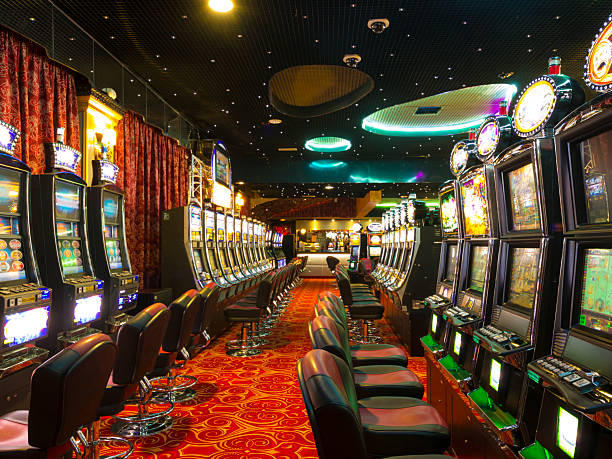
Additionally, social influences, such as peer pressure and community behavior, can greatly impact a gambler’s decisions. If surrounded by others who endorse gambling as a form of entertainment, individuals may be more inclined to participate, dismissing the potential for negative consequences. This communal aspect can often distort their perceptions of risk, making gambling seem less dangerous than it actually is.
Common Cognitive Biases in Gambling
Cognitive biases significantly influence gambling behavior, leading players to make irrational decisions. One of the most notable biases is the “gambler’s fallacy,” which is the belief that past events can affect future outcomes. For instance, a player may think that after a series of losses, they are “due” for a win, encouraging them to wager larger sums of money. This misconception can lead to substantial financial losses, as it ignores the statistical independence of each game outcome.
Another common cognitive bias is the illusion of control. Many gamblers believe that they can influence outcomes through skill, despite games being primarily based on chance. This is particularly prevalent in games like poker, where players may feel their decisions can significantly alter the game’s outcome. Unfortunately, this illusion can lead to overconfidence, increasing the likelihood of risky bets and escalating losses.
Lastly, the “hot-hand fallacy” further exemplifies how cognitive biases affect gambling. This phenomenon occurs when players believe that a particular streak of good fortune will continue. For example, if someone has won several times in a row, they may mistakenly think they possess a unique advantage. This line of thinking often leads to larger wagers, fueled by an unfounded confidence in their winning streak.
The Role of Reward Systems
The brain’s reward system is pivotal in understanding why people gamble. When a player wins, the brain releases dopamine, a neurotransmitter associated with pleasure. This dopamine release reinforces the behavior, making players more likely to return to the gambling environment in search of that same euphoric feeling. Over time, the brain begins to associate gambling with positive emotions, further entrenching the habit.
This system is exploited by casinos, which design their games to maximize these reward sensations. For example, the bright lights, cheerful sounds, and celebratory animations after a win all serve to stimulate excitement and encourage continued play. Casinos understand that these sensory rewards can create a compelling atmosphere that keeps players engaged far longer than they might intend.
Moreover, the concept of intermittent reinforcement also plays a vital role in gambling addiction. Unlike consistent rewards, occasional wins create uncertainty about when the next win will occur, which can drive gamblers to continue playing. This unpredictability mimics the thrill of a slot machine, where players can never be sure when the next jackpot will drop, keeping them engaged in a cycle of hope and disappointment.
Strategies for Responsible Gambling
Understanding the psychology behind gambling can help players adopt responsible practices. One of the first steps is setting limits on both time and money spent. By establishing a budget before playing, individuals can prevent emotional decision-making that may lead to significant losses. This preemptive approach allows players to enjoy the experience without falling prey to impulsive gambling behavior.
Another critical strategy is to recognize the signs of problem gambling. Being aware of changes in mood, relationships, or finances can help individuals catch themselves before gambling becomes a destructive force in their lives. Regular self-assessment can facilitate early intervention, whether by seeking support from friends or professional help, ensuring that gambling remains a source of enjoyment rather than a source of stress.
Finally, utilizing self-exclusion tools offered by many casinos can reinforce responsible gambling habits. These tools allow players to voluntarily restrict their access to gambling platforms for a specified period. This cooling-off period can provide the necessary distance from gambling-related urges, giving individuals the time to reflect on their gaming habits and return only when they feel ready to engage responsibly.
Discover Casea Casino: A Safe Gaming Environment
At , the focus on responsible gambling is matched by a commitment to a secure and enjoyable gaming experience. With a wide array of games including slots, table games, and live dealer options, players can explore different forms of entertainment while being mindful of their gambling habits. The platform prioritizes user-friendliness, ensuring that everyone can navigate their offerings easily.
also implements robust security measures to protect players’ data and transactions. Players can engage in the thrill of the game without worrying about their safety, knowing that their personal information is secured with the latest technology. Additionally, the availability of customer support ensures that any inquiries or issues can be addressed promptly, fostering a supportive community for all players.
Furthermore, with generous promotions and bonuses, aims to enhance players’ experiences while encouraging responsible play. The introduction of various incentives allows gamers to maximize their time on the platform without exceeding their limits. Whether new or returning players, the emphasis on safe, enjoyable gaming makes a top choice for those looking to indulge in the world of online gambling.